
 By
By 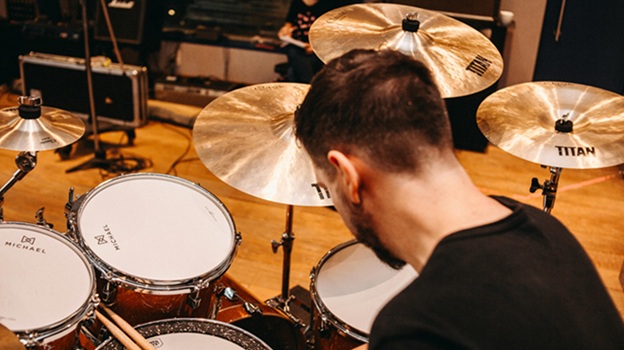
Practicing consistently is non-negotiable—but so is keeping the peace with roommates, neighbors, and your landlord. Here are thirteen smart (and affordable) places where you can shed scales, woodshed parts, and rehearse without side-eye from the apartment next door.
- Hourly Rehearsal Studios
These are purpose-built for volume, from drum kits to full PA. Book by the hour, bring your own pedals and sticks, and you’ll get isolation, backline options, and room to record run-throughs. Pro tip: grab off-peak slots on weekday mornings for lower rates.
- Community Arts Centers
City-run or nonprofit arts centers often rent small studios or classrooms at friendly prices. They’re quieter than commercial rehearsal spaces, and many include pianos or mirrors for vocalists and instrumentalists working on stage presence.
- Churches and Faith Centers (Weekday Afternoons)
Between services, sanctuaries and fellowship halls can be available for discreet practice, especially for acoustic instruments and voice. Be respectful about repertoire, confirm usage policies, and offer a small donation.
- Library Meeting Rooms & Study Pods
Modern libraries have reservable rooms with decent sound dampening. You won’t be blasting amps, but they’re ideal for ear-training drills, theory work, vocal warmups at low volume, and practice pad sessions. Some branches even offer music creation labs.
- Music Stores With Lesson Rooms
Independent shops sometimes rent their lesson studios during idle hours. You’ll have a door you can close, a chair, a stand, and maybe a house amp or keyboard. Build a relationship—regulars often get first dibs on cancellations.
- On-Campus Practice Rooms (If Eligible)
If you have access, practice rooms are unbeatable for focused sessions. Many have pianos, metronomes, and basic acoustical treatment. Reserve in advance, respect time limits, wipe down gear, and leave the room exactly as you found it. When searching housing that prioritizes access to these spaces, look for music school on campus housing proximity to keep your commute short and your practice consistent.
- Co-Working Studios & Maker Spaces
Some creative co-working hubs include sound booths or media rooms. You’ll typically get hourly or monthly passes, plus amenities like lockers, reliable Wi-Fi, and shared tools for light recording or content creation.
- Silent Practice Booths
Standalone sound-isolation booths (think WhisperRoom or similar) are popping up in malls, airports, and campuses. You rent by the quarter-hour with an app, step inside, and get a surprising amount of isolation—perfect for vocal training, woodwinds with a practice mute, or violin with a heavy mute.
- Jam-Friendly Parks (Morning Hours)
Outdoors is free and forgiving—if you pick the right time and place. Aim for large parks, early mornings, and instruments that can play quietly (classical guitar, practice pad, melodica). Avoid residences and be mindful of posted sound ordinances.
- Theater Black Boxes & Dance Studios
Small theaters and dance schools frequently rent open floor time. Black boxes have forgiving acoustics and enough space to move, great for singers staging their set or instrumentalists working on mic technique and performance flow.
- University/College Activity Rooms (Public Access)
Even if you’re not enrolled, some campuses allow public rental of student union rooms or event spaces during off-hours. They’re clean, climate-controlled, and often cheap. Check the campus events office and ask about sound policies and required permits.
- Short-Term “Project Rooms” in Residential Buildings
Some apartment complexes include conference rooms, lounges, or business centers that sit empty mid-day. If your lease permits, book them like a meeting. Keep volume modest, use practice mutes, and lay down a rug to reduce tap noise from stands or pedals.
- Your Car—Converted into a Mini Woodshed
It’s not glamorous, but a parked car can be a private booth for breath work, silent fingering, ear-training, lyric memorization, and practice pad rudiments. Keep ventilation on, avoid hot days, and park legally away from homes.
How to Choose the Right Spot (Fast)
- Match Volume to Venue: Drums and amps? Rehearsal studios or theater spaces. Voice, winds with mutes, or strings with heavy mutes? Libraries, booths, or community rooms.
- Prioritize Predictability: Bookable spaces beat “maybe” spots. A calendar locks in momentum.
- Pack a Mobile Rig: Practice pad, heavy mute, clip-on tuner, pencil, foldable stand, in-ears, and gaffer tape. Add a small interface and laptop if you’re running play-alongs.
- Track Progress: Bring a phone tripod and record takes. Even a 30-minute session is gold if you can review and iterate.
Etiquette That Keeps Doors Open
- Arrive Early, Leave Early: Set up in two minutes, break down in three. Staff remember efficient musicians.
- Clean & Quiet Exits: Wipe stands, coil cables, and dispose of trash. Zero trace equals easy re-booking.
- Volume Discipline: Start at low gain, build gradually, and check for leakage. If anyone expresses concern, adjust with a smile.
- Share the Space: If someone’s waiting, offer to split time—collaboration beats conflict.
Budget Tips
- Off-Peak Pricing: Mornings and mid-afternoons are cheaper than nights and weekends.
- Block Hours: Book two to three sessions at once for discounts and accountability.
- Group Rehearsals: Split costs among bandmates; rotate who covers room fees.
- Loyalty Matters: Become a regular and ask about member rates or punch cards.
When you decouple your practice from thin apartment walls, your consistency skyrockets—and so does your progress. Build a small rotation of reliable spaces, prep a compact go-bag, and treat every room like a stage. You’ll practice more, stress less, and show up ready when the red light turns on.








Comments