
 By
By 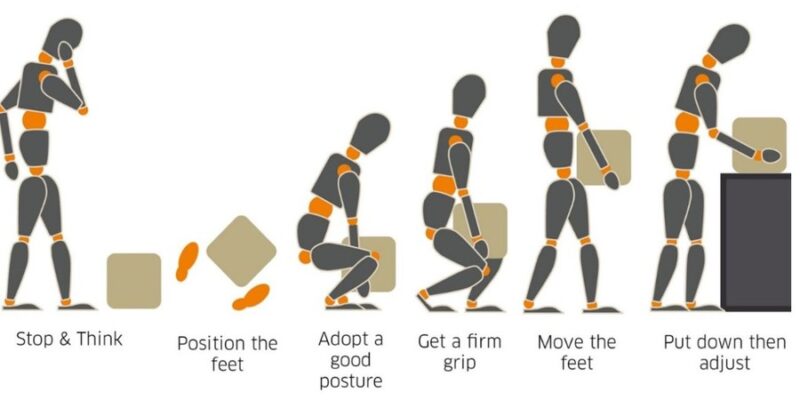
Manual handling injuries are among the most common workplace injuries in Ireland, affecting workers across every industry. A manual handling refresher course is a structured training programme that updates and reinforces safe lifting, carrying, pushing, and pulling techniques for employees who have previously completed initial training. Whether you are based in Cork, Galway, or anywhere across Ireland, refresher training is not just a legal best practice — it is an essential part of maintaining a safe and compliant workplace. Irish Manual Handling provides professional, certified refresher courses at locations across Ireland, including Cork and Galway, delivered by qualified instructors with real-world experience.
Quick Answer: What Is a Manual Handling Refresher?
A manual handling refresher is a repeat training session — typically completed every 2–3 years — that updates workers on safe manual handling techniques, current Health and Safety Authority (HSA) guidelines, and correct body mechanics. It reduces workplace injury risk, supports legal compliance, and reinforces a culture of safety.
Understanding Manual Handling Refresher Training
Manual handling refers to any activity that involves lifting, lowering, pushing, pulling, carrying, or moving a load using bodily force. In Ireland, the Safety, Health and Welfare at Work (General Application) Regulations 2007 place a legal duty on employers to ensure workers receive adequate training in manual handling before undertaking such tasks.
However, training knowledge fades over time. Bad habits creep back in. Working environments change. New tasks are introduced. A refresher course exists to close that gap — bringing employees back up to a safe and competent standard.
Manual handling refresher training in Cork and Galway typically lasts 2–3 hours and combines a theory component (covering anatomy, risk factors, and legal obligations) with practical hands-on exercises. The training is suitable for all workers regardless of industry — from healthcare and construction to retail, warehousing, and office environments.
The Health and Safety Authority of Ireland recommends refresher training every 2–3 years, or sooner when:
- A worker returns from an injury or extended leave
- Job duties change significantly
- An incident or near-miss involving manual handling occurs
- A risk assessment identifies gaps in safe practice
Key Benefits of Manual Handling Refresher Training
- Reduces the risk of musculoskeletal injury.Back injuries, shoulder strain, and herniated discs are common consequences of poor technique. Refresher training corrects ingrained bad habits before they cause lasting damage.
- Maintains legal compliance.Under Irish health and safety law, employers must provide adequate and up-to-date training. A refresher certificate demonstrates ongoing compliance during HSA inspections and audits.
- Lowers absenteeism and business costs.Workplace manual handling injuries lead to sick days, reduced productivity, and potential compensation claims. Prevention is significantly cheaper than treatment.
- Builds employee confidence.Workers who understand correct techniques feel more confident and in control when handling loads, which naturally leads to safer behaviour on the floor.
- Adapts training to your current environment.Workplaces evolve. Refresher courses allow trainers to address new equipment, layout changes, or task-specific challenges relevant to your current workplace.
- Reinforces a positive safety culture.Regular training signals to staff that their employer takes safety seriously. This improves morale, engagement, and overall team performance.
- Supports return-to-work programmes.For employees recovering from injury, a refresher course provides a structured, safe reintroduction to physical tasks and builds confidence before returning to full duties.
Step-by-Step: What Happens During a Manual Handling Refresher Course
- Registration and needs assessment.Participants confirm their previous training history. The trainer notes any workplace-specific tasks or equipment to address during the practical session.
- Theory review.The session covers the anatomy of the spine, common injury mechanisms, risk factors (load weight, repetition, posture, environment), and Irish legal obligations under HSA regulations.
- Technique demonstration.The instructor demonstrates the correct posture, grip, foot position, and movement sequence for common manual handling tasks — lifting from the floor, carrying, team lifts, and using equipment such as trolleys or hoists.
- Hands-on practical exercises.Participants practise the techniques themselves under qualified supervision. The trainer observes, corrects errors, and provides personalised feedback.
- Competency is assessed through observation of practical technique and, in some formats, a short written or verbal knowledge check.
- Certification issued.Participants who demonstrate competency receive a manual handling refresher certificate, which is valid for 2–3 years and compliant with HSA standards.
Important Statistics and Industry Insights
Manual handling injuries remain a serious and costly issue in Ireland and across Europe. Key data points from the Health and Safety Authority and the European Agency for Safety and Health at Work (EU-OSHA) highlight the ongoing need for refresher training:
- Musculoskeletal disorders (MSDs) are the most common work-related health problem in Europe, affecting over 40 million workers.
- The HSA reports that manual handling is a leading cause of workplace injuriesin Irish businesses, particularly in healthcare, construction, retail, and logistics sectors.
- Research consistently shows that training knowledge degrades within 12–18 monthswithout reinforcement, making periodic refresher courses essential rather than optional.
- Employers who invest in regular manual handling training report up to a 35% reduction in related injury claimscompared to those who rely on one-off induction training alone.
- The growing adoption of ergonomic risk assessment tools in Irish workplaces has increased demand for trainers who can integrate refresher content with site-specific hazard analysis.
These figures reinforce why manual handling refresher training in Cork, Galway, and across Ireland is not a tick-box exercise — it is a measurable, evidence-based intervention that protects both people and businesses.
Common Mistakes to Avoid
- Treating initial training as a once-off obligation.Many employers assume that a certificate from five or six years ago is sufficient. Technique degrades, regulations update, and workplaces change. Refresher training must be periodic to remain effective.
- Ignoring task-specific risks.Generic training that does not account for the actual loads, environments, and movements workers encounter is less effective. Always ensure refresher content is relevant to your specific industry and workplace.
- Scheduling training after an injury occurs.Reactive training is better than nothing, but proactive refresher programmes prevent the injury in the first place. Do not wait for an incident to prompt action.
- Skipping the practical component.Theory-only sessions do not build muscle memory or correct posture. Any effective manual handling refresher must include observed, hands-on practice.
- Failing to keep training records.Employers must maintain records of training completion. Poor record-keeping creates compliance gaps and cannot demonstrate due diligence in the event of an HSA inspection or legal claim.
- Using unaccredited providers.Not all training providers meet HSA standards. Always verify that your chosen provider delivers courses aligned with current Irish health and safety regulations, with qualified and experienced instructors.
Expert Recommendations
Book refresher training proactively. Do not wait for a near-miss or injury. Schedule refresher training at regular intervals — ideally every two years — and align it with your annual health and safety calendar.
Combine refresher training with a workplace risk assessment. A good trainer will observe your actual workspace, identify specific manual handling hazards, and tailor the session accordingly. This makes training far more relevant and impactful.
Involve supervisors and team leaders. When supervisors attend refresher training alongside their teams, it reinforces the safety message and gives them the language to correct poor technique day-to-day.
Use certified, experienced trainers. Choose a provider like Irish Manual Handling, whose instructors hold recognised qualifications and deliver courses that comply with HSA guidelines. Experienced trainers bring real-world case studies and practical context that generic e-learning simply cannot replicate.
Document everything. Keep a training register that records each employee’s name, the date of training, the trainer’s name, and the certificate expiry date. Review this register annually as part of your safety management system.
Frequently Asked Questions
How often should manual handling refresher training be completed in Ireland? The Health and Safety Authority recommends refresher training every 2–3 years. It may be required sooner if an employee changes role, returns from injury, or if a workplace risk assessment identifies a skills gap.
How long does a manual handling refresher course take? Most refresher courses run for 2–3 hours, covering both a theory review and hands-on practical exercises. Full-day formats are available for larger groups or where site-specific risk assessment is included.
Is manual handling refresher training a legal requirement in Ireland? Employers have a legal duty under the Safety, Health and Welfare at Work (General Application) Regulations 2007 to ensure workers are adequately trained. While the regulations do not specify a fixed refresher interval, the HSA recommends periodic retraining to maintain competency.
Does Irish Manual Handling provide refresher courses in Cork and Galway? Yes. Irish Manual Handling delivers certified manual handling refresher training in Cork, Galway, and locations across Ireland. Courses are available at your workplace or at a training centre. Contact [email protected] for scheduling.
What is the difference between manual handling training and a refresher course? Initial manual handling training is for workers who have never received formal instruction. A refresher course is for those who have already been trained and need to update their knowledge and skills.
Who needs manual handling refresher training? Any worker who regularly lifts, carries, pushes, or pulls loads should complete refresher training. This includes workers in healthcare, construction, warehousing, logistics, retail, hospitality, and office environments.
Can refresher training be delivered on-site at our business in Cork or Galway? Yes. Irish Manual Handling offers on-site refresher training across Cork, Galway, and throughout Ireland. On-site delivery allows the trainer to observe your specific environment and tailor the session to real workplace tasks and hazards.
What topics are covered in a manual handling refresher course? Topics typically include: spinal anatomy and injury mechanisms, Irish health and safety legislation, risk assessment principles, correct lifting and carrying techniques, team lifts, use of mechanical aids, and posture awareness.
Will I receive a certificate after completing a refresher course? Yes. Participants who successfully complete a manual handling refresher course receive a certificate of competency. This certificate demonstrates compliance and is recognised by HSA inspectors and insurance providers.
What industries most commonly require manual handling refresher training in Cork and Galway? Healthcare, nursing homes, construction, warehousing, distribution, retail, hospitality, manufacturing, and education are among the most common sectors requiring regular manual handling refresher training in Cork and Galway.
Conclusion
Manual handling refresher training is one of the most practical and cost-effective investments an employer can make in workforce safety. It protects employees from painful and potentially life-altering musculoskeletal injuries, supports legal compliance under Irish health and safety law, and builds a culture where safety is a daily priority — not an afterthought.
For workers and businesses in Cork and Galway, Irish Manual Handling provides professional, HSA-aligned refresher courses delivered by experienced instructors. Whether you need on-site training for a large team or a small group session at a training centre, the team is ready to help.
As workplace demands evolve and awareness of occupational health grows, manual handling refresher training will continue to be a cornerstone of responsible employer practice across Ireland.
Contact Irish Manual Handling: 19 Harcourt Street, Dublin, D02 H364, Ireland Email: [email protected]








Comments